

A Beginner’s Guide to Fertilizer Sample Testing sgmnationallab.com

Fertilizer sample testing is an essential process used to evaluate the quality, composition, and performance of fertilizer products before they reach the market. For beginners in the agricultural industry, understanding fertilizer testing can help ensure that products deliver the nutrients crops need for healthy growth and maximum productivity.
The testing process begins with collecting a representative sample from a fertilizer batch. This sample is then analyzed in a laboratory using specialized equipment and standardized testing methods. Laboratories examine key parameters such as nitrogen, phosphorus, potassium (NPK), micronutrients, moisture content, pH levels, and the presence of contaminants or heavy metals.
Accurate fertilizer testing helps manufacturers verify product quality and ensure that nutrient levels match label claims. It also supports compliance with industry regulations and quality standards, reducing the risk of product inconsistencies and customer complaints. For farmers and distributors, testing provides confidence that fertilizers will perform effectively under field conditions.
In addition to nutrient analysis, laboratories may conduct physical tests to evaluate particle size, granule strength, solubility, and uniformity. These factors influence fertilizer handling, storage, and application efficiency. Regular testing also helps identify production issues early, allowing corrective actions before products are distributed.
Choosing a reliable fertilizer testing laboratory is important for obtaining accurate and dependable results. Accredited laboratories use advanced analytical instruments, trained professionals, and strict quality control procedures to maintain testing accuracy.
As agriculture continues to evolve, fertilizer sample testing remains a vital tool for maintaining product quality, supporting sustainable farming practices, and improving crop performance. By understanding the basics of fertilizer testing, businesses and agricultural professionals can make informed decisions, enhance product reliability, and contribute to better agricultural outcomes.
Report Story
Popular Stories
-
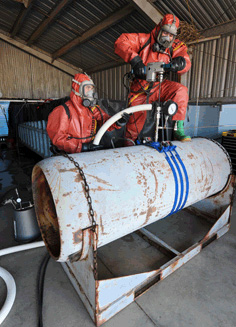
Toxic Gas Cylinder Disposal iescylinders.com
-

Retinol Face Serum for Smoother and Radiant-Looking Skin 7daysnatural.in
-

CRC Maesta | Modern 3 & 4 BHK Luxury Residences crcmaesta.net
-
GCC approved GAMCA Medical Appointment Mumbai | Book online gamca-india.com
-
Wilshire Fireplace Shops: Fireplace Equipment & Accessories Since 1924 wilshirefireplace.com


