
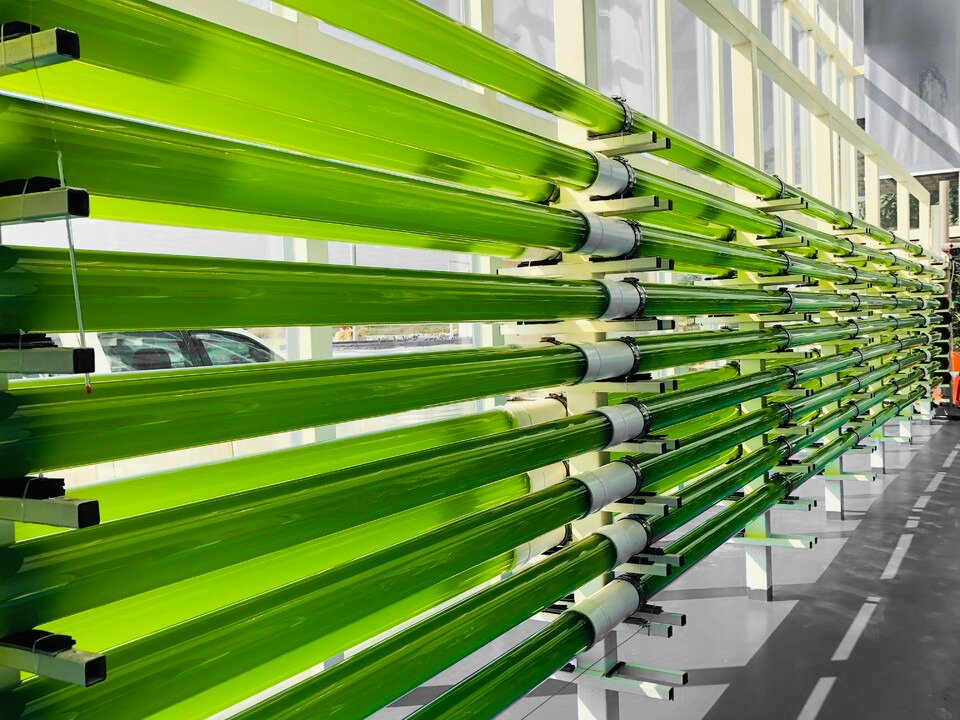
How Algae Biorefinery Systems Increase Resource Recovery by 85% While Reducing Carbon Emissions by 58% keronebiochar.com

Industrial wastewater and process emissions can leave 20–35% of recoverable carbon and nutrients unused every day. The problem is not treatment capacity. It is the linear process design that removes contaminants without converting them into marketable biomass. Facilities processing 800–2,000 m³/day often absorb disposal costs while missing opportunities to generate additional revenue streams. An algae biorefinery changes that equation by turning waste streams into productive feedstocks.
Carbon Capture Becomes a Production Asset
Most carbon management projects are designed to reduce emissions. Few are designed to create value from them. An algae biorefinery uses microalgae to convert carbon dioxide into biomass at growth rates reaching 20–30 g/m²/day.
Under operating temperatures of 25–32°C, algae can absorb up to 1.8 kg of CO₂ for every kilogram of biomass produced. That matters when a facility releases more than 500 kg/hr of carbon-rich exhaust gases.
At a specialty chemical facility in South Asia, engineers first noticed rising carbon treatment costs before considering algae cultivation. After installing a 1,200 kg/day algae biorefinery system alongside process vents, the operation reduced direct carbon discharge by 58% within 14 months. Conventional carbon treatment systems create compliance value, while biomass-generating systems create both environmental and commercial returns.
Stable Biofuel Production Starts with Consistent Biomass
Lipid content receives most of the attention in biofuel discussions. Plant operators, however, know that production consistency determines annual output more than laboratory results.
An algae biorefinery can generate biomass containing 20–50% lipids and 15–40% carbohydrates. Both fractions can be converted into renewable fuels, allowing multiple product pathways from the same feedstock.
A coastal biofuel producer running continuous 18-hour shifts struggled with seasonal feedstock fluctuations that affected output planning. After integrating a 5-tonne/day algae biorefinery system, annual fuel production increased by 32% while feedstock availability became more predictable. Conventional oilseed cultivation often requires 8–15 times more land area to achieve comparable biomass productivity.
Wastewater Treatment and Biomass Generation in One Process
Nutrient removal is usually treated as a cost center. Yet many wastewater streams contain exactly the compounds algae require for growth.
An algae biorefinery can remove 70–90% of nitrogen compounds and 60–85% of phosphorus compounds while producing usable biomass. Treatment systems typically operate between 20°C and 35°C with stable biological performance.
A food processing plant in western India handling 800 m³/day of wastewater integrated algae cultivation into its treatment train. Nutrient discharge levels fell by 78% within six months, while biomass production averaged 420 kg/day. Mechanical treatment technologies can achieve similar discharge targets, but they rarely create a secondary product stream worth selling.
Higher Margins Often Come from Co-Products, Not Fuel
Fuel may be the headline product, yet many successful algae projects earn stronger margins elsewhere. Proteins, pigments, antioxidants, and omega-3 compounds frequently deliver higher value per kilogram than energy products.
An algae biorefinery separates multiple product streams from a single cultivation cycle. Protein concentrations can reach 40–60%, and extraction stages may be completed within minutes rather than hours depending on product specifications.
One nutraceutical manufacturer in Southeast Asia supplies omega-3 ingredients to regional dietary supplement producers. After commissioning a 750 kg/day algae biorefinery line, product value increased by 48% compared with its previous fuel-focused model. Diversified algae processing operations commonly generate two to four times more revenue than facilities producing biofuels alone.
Resource Efficiency Matters More Than Facility Size
Scale attracts attention during project planning. Resource efficiency determines long-term economics.
An algae biorefinery can produce substantial biomass on non-arable land while using recycled process water. Water recirculation rates above 80% are common when cultivation conditions remain stable.
There is a practical limitation worth acknowledging. Performance depends heavily on nutrient balance, temperature control, and light availability. A municipal-industrial partnership operating a 2,500 kg/day algae biorefinery improved resource utilization by 85% after optimizing these variables and achieved 22% higher biomass productivity than conventional biomass systems operating under similar energy loads.
An algae biorefinery brings together carbon capture, wastewater treatment, renewable fuel production, and high-value biochemical recovery within a single platform. Kerone develops algae biorefinery systems that help industries convert underutilized waste streams into valuable resources while supporting sustainability objectives. Which carbon management challenge or wastewater treatment challenge costs your facility more?
Report Story

Popular Stories
-
Toxic Gas Cylinder Disposal iescylinders.com
-

Retinol Face Serum for Smoother and Radiant-Looking Skin 7daysnatural.in
-

CRC Maesta | Modern 3 & 4 BHK Luxury Residences crcmaesta.net
-
GCC approved GAMCA Medical Appointment Mumbai | Book online gamca-india.com
-
Wilshire Fireplace Shops: Fireplace Equipment & Accessories Since 1924 wilshirefireplace.com


